
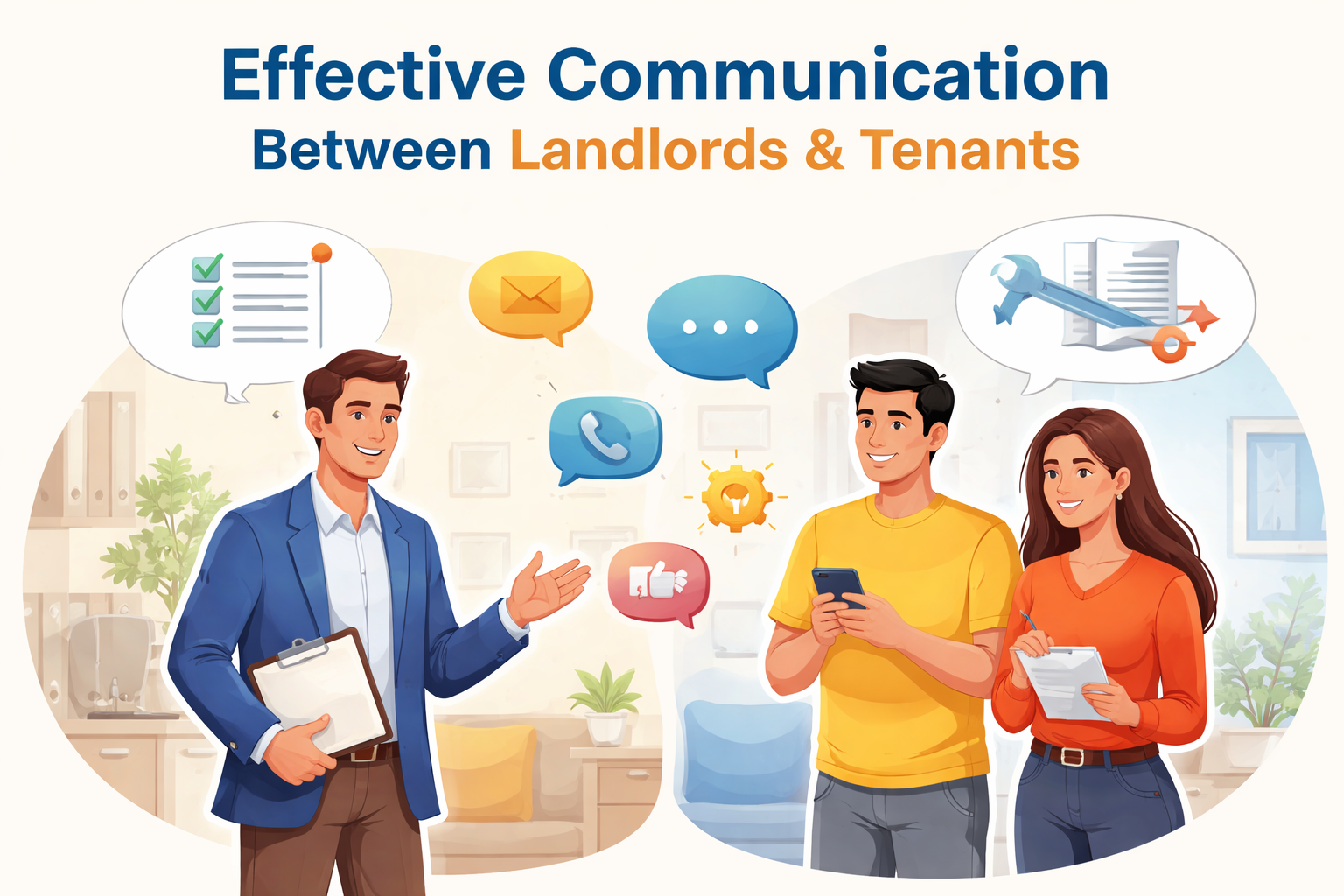
Effective Communication Between Landlords and Tenants
Clear, respectful communication is one of the most important factors in creating a positive landlord-tenant relationship. Strong communication can prevent misunderstandings, reduce conflicts, and help maintain a smooth rental experience for everyone involved.
Why Communication Matters
Renting is a partnership and when entered into it requires both parties to communicate in order to keep the relationship in good standing. When communication breaks down, small issues can quickly turn into bigger problems—missed payments, unresolved maintenance concerns, or frustration on both sides.
Good communication builds trust, encourages cooperation, and creates a more professional and respectful environment.
Set Clear Expectations Early
The foundation of effective communication starts before a tenant even moves in. Lease agreements should clearly outline:
Rent due dates and payment methods
Maintenance responsibilities
Rules regarding pets, guests, and property use
Procedures for reporting issues
Taking the time to walk tenants through the lease and answer questions upfront can prevent confusion later. Landlords want you to ask questions so we know that you understand what you are entering into. If you are unsure, ask.
Choose the Right Communication Channels
Not every message needs the same method. Establish preferred ways to communicate, such as:
Email for formal notices and documentation
Text messages for quick updates or reminders
Phone calls for urgent matters
Online portals for rent payments and maintenance requests
Consistency is key. When tenants know how and where to reach you, they’re more likely to communicate effectively.
Be Prompt and Responsive
Timely responses show professionalism and respect. Even if you don’t have an immediate solution, acknowledging a message goes a long way.
For landlords:
Respond to maintenance requests quickly
Provide updates if repairs are delayed
Keep tenants informed about any changes
For tenants:
Report issues as soon as they arise
Communicate proactively about rent or concerns
Practice Active Listening
Communication isn’t just about talking—it’s about understanding. When tenants raise concerns, listen carefully without interrupting or becoming defensive. Ask questions if needed and make sure you fully understand the issue before responding.
This approach helps de-escalate tension and shows that you value their perspective.
Keep Everything Documented
Written communication protects both parties. Keep records of:
Lease agreements and addendums
Maintenance requests and repairs
Notices and important conversations
Documentation provides clarity and can be crucial if disputes arise.
Address Issues Early
Small problems can escalate if ignored. Whether it’s a minor repair or a concern about lease compliance, addressing issues early helps avoid bigger conflicts later.
Regular check-ins—whether seasonal inspections or simple messages—can help keep communication open and proactive.
Embrace Technology
Modern tools can make communication easier and more efficient. Property management apps, online payment systems, and maintenance tracking platforms help streamline interactions and reduce confusion.
Final Thoughts
Effective communication isn’t just a “nice to have”—it’s essential for successful property management. By setting clear expectations, responding promptly, and treating each interaction with professionalism, landlords and tenants can build a positive, long-lasting relationship.
When communication is strong, everything else—from maintenance to payments—becomes easier to manage.
Strong communication creates stronger tenancies—and that benefits everyone involved.